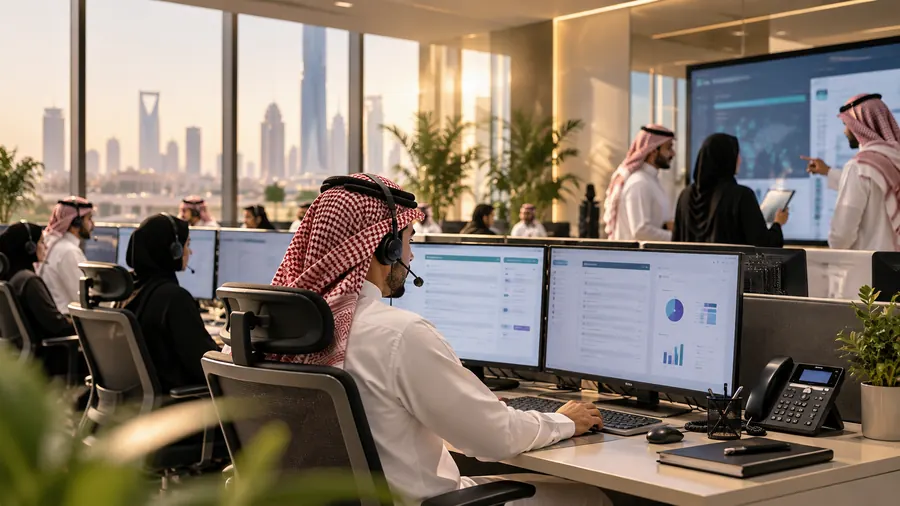
After-sales service at a car dealership is the stage that decides whether a customer returns for routine maintenance and, eventually, for their next vehicle. Much of that experience does not happen in the workshop but in the communication around it: booking the appointment, knowing the vehicle's status, approving additional work and being followed up after collection.
Why after-sales communication deserves its own management
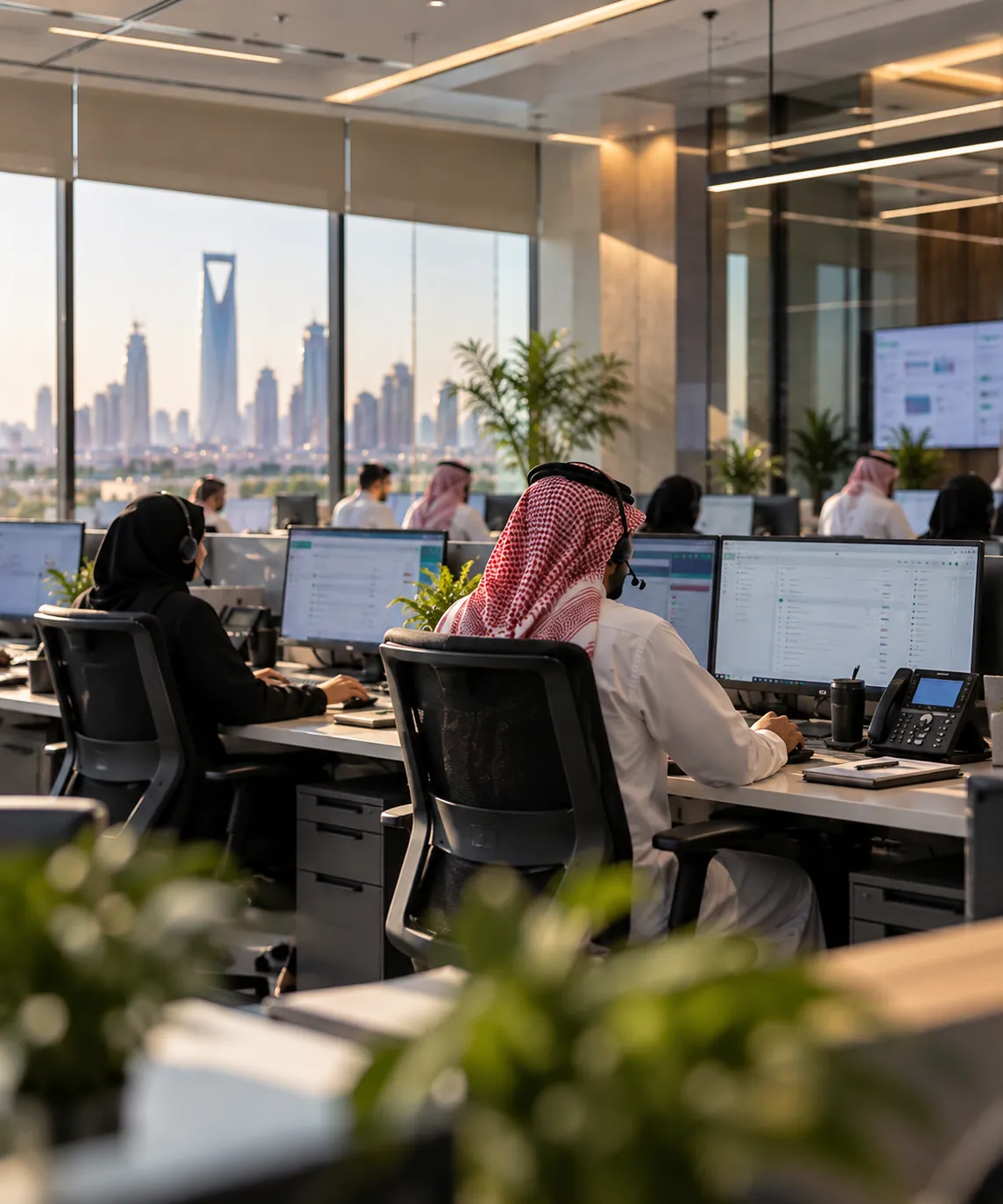
Service advisors are busy receiving vehicles and coordinating work with technicians, which limits their ability to answer calls and follow up with customers at the same time. The usual result is unanswered calls, customers phoning several times to find out when their car will be ready, and appointments missed because nobody sent a reminder. Separating communication from technical work, while linking both through one system, lets each team focus on what it does best and gives management a clearer picture of what is actually happening with customers.
Booking appointments and maintenance reminders
Good appointment management balances customer demand against workshop capacity. Key practices include:
- Unified booking across channels: phone, website and messaging apps, with one calendar reflecting each branch's real capacity.
- Proactive service reminders: based on the date of the last visit or the mileage recorded in the vehicle file.
- Confirmation the day before: with easy rescheduling, so unused slots can be released to other customers.
- Recall campaigns: structured outreach to owners of affected vehicles, with the outcome of every contact attempt recorded.
Keeping customers informed about their vehicle
One of the most frequent reasons for calling is a customer asking about their car's status. These calls can be reduced through proactive updates at defined points, such as vehicle check-in, start of work and readiness for collection. When additional work is identified, customers need a clear explanation of cost and time before approving it, and their approval should be documented in the file. It also helps for customers to know the expected completion time in advance and to be told straight away if it changes, with the reason and the new time, because an unannounced delay frustrates customers more than the delay itself. Technical decisions remain the workshop's responsibility, while the communication team makes sure information is passed on accurately and on time.
Post-visit follow-up and complaint handling
A call a few days after collection surfaces problems before they turn into public complaints or a lost customer. Follow-up should ideally include these steps:
- A short question on satisfaction with the quality of work, communication and punctuality.
- Logging any issue as a request with a number, an owner and a response date.
- Escalating cases that need re-inspection to the branch service manager.
- Closing the case after contacting the customer and confirming the fix.
The right performance indicators
Indicators that help a dealership measure after-sales performance include the percentage of calls answered within target time, adherence to booked appointments, the share of customers followed up after their visit, CSAT, and average time to close complaints. Target values are agreed with management based on branch capacity and customer profile. RAM Orbit helps dealerships run this communication with specialized teams, defined procedures and regular reporting.
Key takeaways
- The after-sales experience is shaped by communication around the workshop as much as by the work inside it.
- Separating communication from technical work, linked through one system, raises service quality.
- Proactive vehicle status updates reduce repeat calls.
- Post-visit follow-up catches problems early and helps retain the customer.
Let's Talk About Your Operations
Tell us about your operational needs, and we will work with you to assess your current setup and recommend the operating model that best fits your business.